

What Mistakes Should You Avoid When Washing Your Car?
Discover the main mistakes to avoid when washing your car: sunlight, the wrong products, dirty tools, scrubbing and unsuitable techniques.
Introduction
Washing your car regularly keeps the vehicle clean and makes looking after it much easier.
But the wrong technique can have the opposite effect.
Swirl marks, water spots, stained trim or dull paintwork can often be traced back to bad washing habits.
And contrary to what you might think, the problem usually isn't a lack of products, but rather the way they are used.
Here are the main mistakes to avoid so you can clean your vehicle effectively without damaging it.
---
Why can a poor washing technique damage your car?
Dirty paintwork is covered in all kinds of contaminants:
- dust
- sand
- mud
- road film
- bugs
- assorted particles
The main risk is dragging those contaminants across the clear coat while you wash.
A single grain of sand trapped in a wash mitt or a microfiber towel can be pulled along the paint and leave fine scratches behind.
So the goal of a good wash is simple: remove the contaminants step by step while keeping unnecessary rubbing to an absolute minimum.
---
Mistake #1: Washing your car in direct sunlight
This is probably one of the most common mistakes out there.
When the paintwork is hot, water and products dry far more quickly.
That can lead to:
- streaks
- product residue
- hard water spots
- a more difficult wipe-down
The right way
Whenever possible, work:
- in the shade
- on cool paintwork
- on cool wheels
You'll also give yourself more time to work your products properly.
---
Mistake #2: Washing heavily soiled paintwork right away
Is your car covered in dust and mud?
Don't go straight at it with your wash mitt.
The contaminants sitting on the bodywork can get caught under the mitt and create swirl marks.
The right way
Start with a pre-wash.
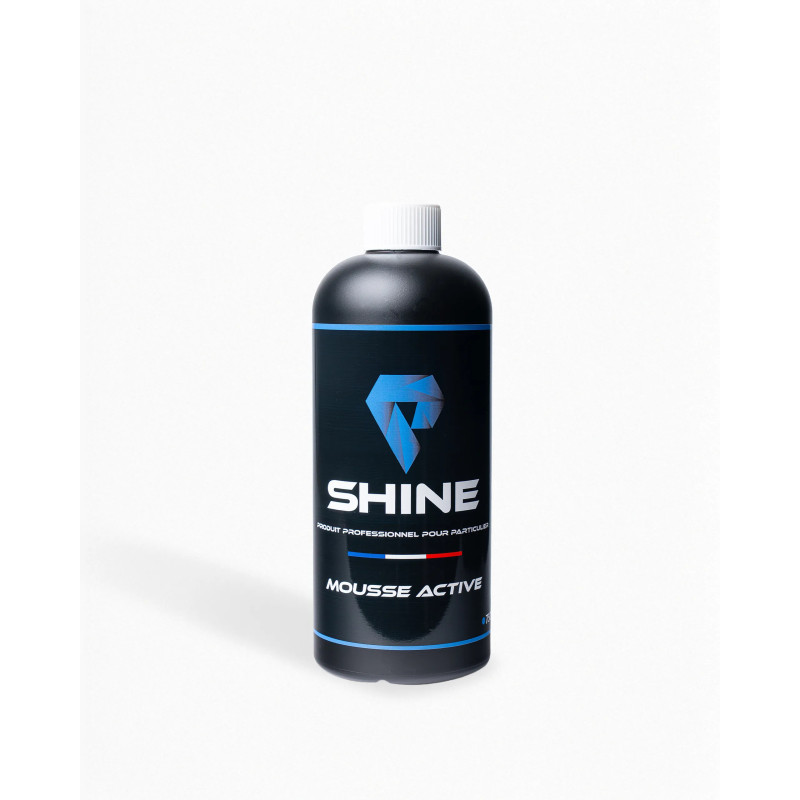
SHINE Snow Foam applied through a foam cannon softens and lifts away part of the grime before you ever touch the car by hand.
Let it dwell as directed without letting it dry, then rinse.
That way, far fewer contaminants are left on the surface when you start your contact wash with the mitt.
---
Mistake #3: Using dish soap
Dish soap is designed to clean your dishes, not your car.
It may seem effective at cutting grease, but it isn't a product developed for the regular care of automotive paintwork.
The right way
Use a SHINE Car Shampoo suited to the type of wash you want to do.
For routine maintenance, go with a shampoo made for regular washing.
Stronger, degreasing shampoos should be saved for the situations that genuinely call for them.
---
Mistake #4: Using a regular sponge
A traditional sponge isn't necessarily the best tool for washing paintwork.
The issue comes mainly from its tendency to hold particles between its surface and the paint.
Those contaminants can then be dragged around while you wash.
The right way
Use a proper automotive wash mitt.
Rinse it often during the wash to release the contaminants it picks up.
And above all: if your mitt falls on the ground, don't put it straight back on the paintwork.
Grains of sand or small contaminants may have stuck to it.
---
Mistake #5: Using the same tool everywhere
Just cleaned your wheels with a microfiber towel?
Don't use it on your paintwork afterward.
Wheels are among the most contaminated areas of the vehicle and can hold brake dust and abrasive particles.
The right way
Keep your tools separated by use:
- wheels
- paintwork
- glass
- interior
- drying
That way you limit the transfer of contaminants from one area to another.
---
Mistake #6: Starting with the dirtiest areas
The rocker panels and the lower sections of the vehicle are generally far dirtier than the roof.
If you start with those areas and then carry on over the rest of the car with the same mitt, you risk spreading more contaminants around.
The right way
Work from the top down.
For example:
- roof
- glass
- hood and trunk
- upper door panels
- lower body
- bumpers
Save the most contaminated areas for last.
---
Mistake #7: Scrubbing when dirt won't come off
A bug splatter, a tar spot or some stubborn contamination refusing to budge?
The first instinct is often to scrub harder.
That's rarely the best solution.
If the contaminant doesn't come off with your shampoo, it may simply call for a dedicated product.
The right way
Identify the contaminant and use the right product for it.
For example:
- bugs → bug remover
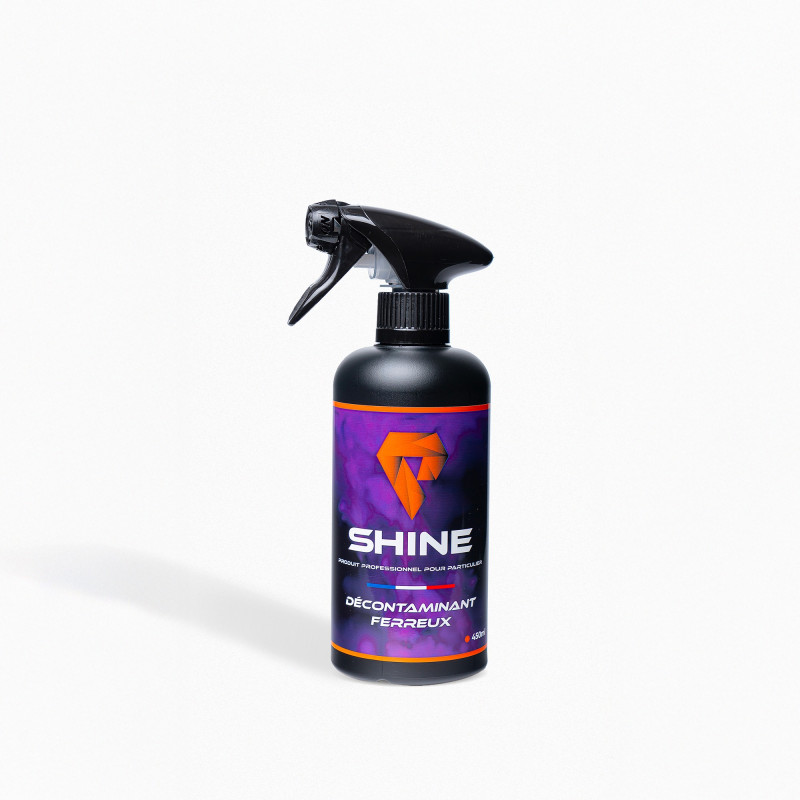
- ferrous particles → iron remover
- tar or sap → dedicated product
- embedded contamination → suitable mechanical decontamination
Using the right product beats making up for its absence with more scrubbing.
---
Mistake #8: Letting products dry
Wheel cleaner, snow foam, shampoo, iron remover: many car care products should never be left to dry on the surface.
Drying can leave streaks and make rinsing more difficult.
The right way
Work in sections.
Respect the recommended dwell times and keep an eye on the product at all times.
Rinse before it dries.
This is one more reason to avoid working on hot paintwork or in direct sunlight.
---
Mistake #9: Drying your car the wrong way
Once the car has been rinsed, some drivers simply let it air-dry.
The problem is that water contains minerals.
As the water evaporates, those minerals can stay behind on the paintwork and leave spots.
The right way
Use a proper drying microfiber towel.
Work gently, without applying excessive pressure.
A towel with good absorbency makes the vehicle easier to dry and cuts down the number of passes you need.
---
Mistake #10: Using too much product
Twice as much shampoo doesn't necessarily mean twice the cleaning power.
If anything, overdosing can make rinsing harder and waste product for nothing.
This matters especially with concentrated products.
The right way
Follow the recommended dilution ratios and quantities.
SHINE products are formulated to work at precise dosages: use the amount you actually need instead of reflexively reaching for more.
---
The right way to wash your car
To limit the risks and get a good result, remember this simple routine:
1. Clean the wheels
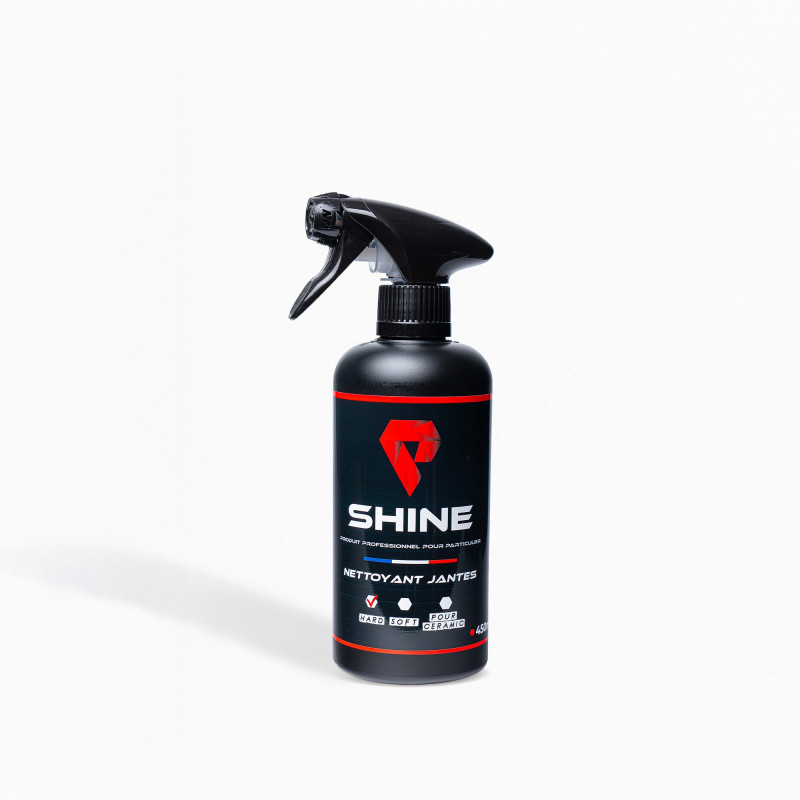
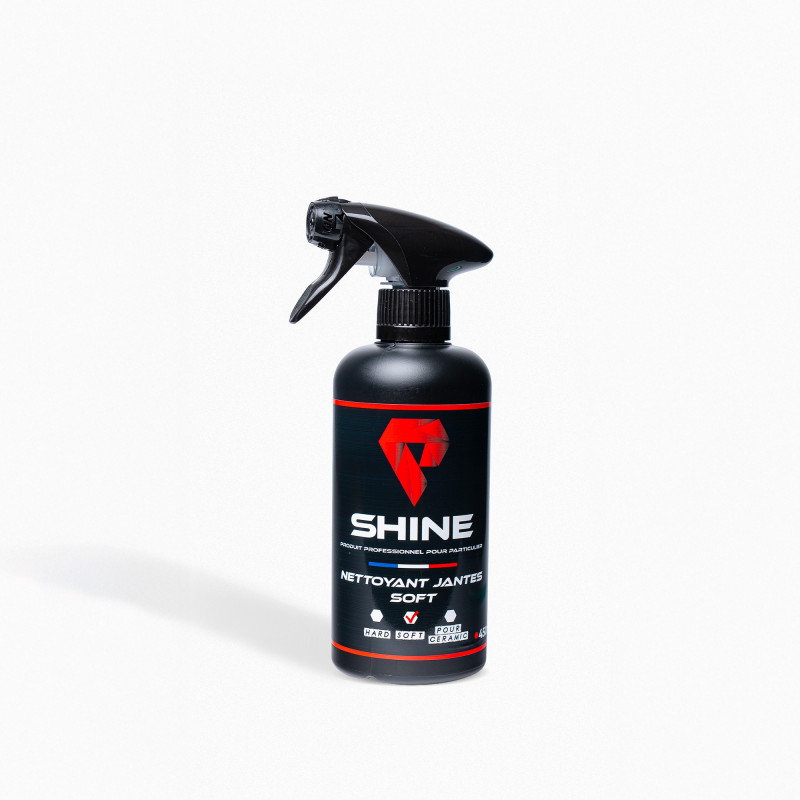
Use a SHINE SOFT or HARD Wheel Cleaner depending on how dirty they are.
2. Pre-wash
Apply SHINE Snow Foam to lift away part of the contamination before anything touches the paint.
3. Rinse
Remove the foam along with the contaminants it has loosened.
4. Do the contact wash
Use a SHINE Car Shampoo with a clean wash mitt.
Work from the top down.
5. Rinse thoroughly
Flush off all of the shampoo.
6. Dry
Use a clean, purpose-made drying microfiber towel.
7. Protect if needed
You can then apply a Quick Detailer, a Hydrocoat or another suitable protection to add gloss and water beading, and to make future maintenance easier.
---
Key takeaways
The most common mistakes are usually very easy to avoid:
- don't wash hot paintwork
- pre-wash before touching a very dirty car
- use proper automotive products
- use a clean wash mitt
- keep separate tools for the different areas
- work from the top down
- don't scrub stubborn contamination excessively
- don't let products dry
- dry your vehicle with a proper microfiber towel
- follow the recommended dosages
A good wash relies just as much on the technique you use as on the products you choose.
---
FAQ — Common car washing mistakes
Can you scratch your car while washing it?
Yes. Swirl marks can appear when contaminants get dragged across the paint during the wash or the drying stage. A pre-wash and clean tools help limit that risk.
Is it bad to wash your car in the sun?
It's best avoided. Hot paintwork speeds up the drying of water and products, which can cause streaks and make the wash harder.
Why should you pre-wash a car?
A pre-wash removes part of the contamination before you touch the paintwork with a mitt. It makes the wash easier and limits rubbing on a very dirty surface.
Can you use the same microfiber towel on the whole car?
That's not recommended. Use separate microfiber towels for the wheels, the paintwork, the glass and the interior to limit the transfer of contaminants.
Why does my car have streaks after washing?
They can come from a product that dried on the surface, from poor rinsing, or from water left to dry naturally on the paintwork.
Should you scrub when a spot won't come off?
Not necessarily. Stubborn contamination often calls for a dedicated product. Before scrubbing harder, identify the type of dirt and use the right solution for it.
---
In short: how do you avoid damaging your car while washing it?
Keep one simple rule in mind:
Remove as much dirt as you can before touching the paintwork, and limit unnecessary rubbing.
With a pre-wash, the right products, clean tools and a solid washing method, taking proper care of your vehicle quickly becomes very straightforward.
You get a clean car while limiting the risk of swirl marks and making it far easier to preserve the condition of your paintwork over time.
Comments
No comments yet.